Ledger.com/start: Step-by-Step Guide to Setting Up Your Ledger Hardware Wallet
Managing cryptocurrencies requires a strong focus on security. Unlike traditional banking, digital assets are decentralized, and there is no institution to reverse transactions or recover lost accounts. Users are fully responsible for safeguarding their funds. This is why starting with a hardware wallet like Ledger is a crucial first step for anyone serious about cryptocurrency management. Ledger.com/start provides clear guidance for securely setting up your Ledger device, integrating it with Ledger Live, and ensuring that your assets are fully protected from threats.
Ledger.com/start is designed to guide users through the setup process, making it accessible for both beginners and experienced investors. From unboxing the device to creating accounts and authorizing transactions, this resource ensures that users can securely manage their cryptocurrency portfolio with confidence.
Why Ledger.com/start Is Important
Setting up a hardware wallet requires careful attention to security. Ledger.com/start serves as a centralized guide that ensures users follow safe procedures for:
Device initialization to protect private keys
Creating PIN codes and recovery phrases
Connecting with Ledger Live for portfolio management
Understanding security best practices
By following the steps outlined on Ledger.com/start, users reduce the risk of errors that could compromise their assets and gain confidence in managing their cryptocurrency securely.
Step 1: Unboxing and Inspecting Your Ledger Device
The first step is to carefully unbox your Ledger hardware wallet. Ledger devices come with tamper-evident packaging. Inspect the box to ensure it has not been damaged or opened. A proper unboxing should include:
The Ledger hardware wallet
USB cable for connection
Recovery sheet to record your backup phrase
User manuals and setup instructions
Never use a device that shows signs of tampering or damage. Ledger.com/start emphasizes the importance of verifying the authenticity of the device before proceeding with setup.
Step 2: Connecting the Ledger Device
Once the device is verified, connect it to a trusted computer or mobile device using the USB cable provided. The Ledger device will power on, displaying the Ledger logo and a welcome message. This step confirms that the device is functioning correctly and ready for setup.
Ledger.com/start provides guidance to ensure that the connection is secure, preventing interference from compromised systems.
Step 3: Installing Ledger Live
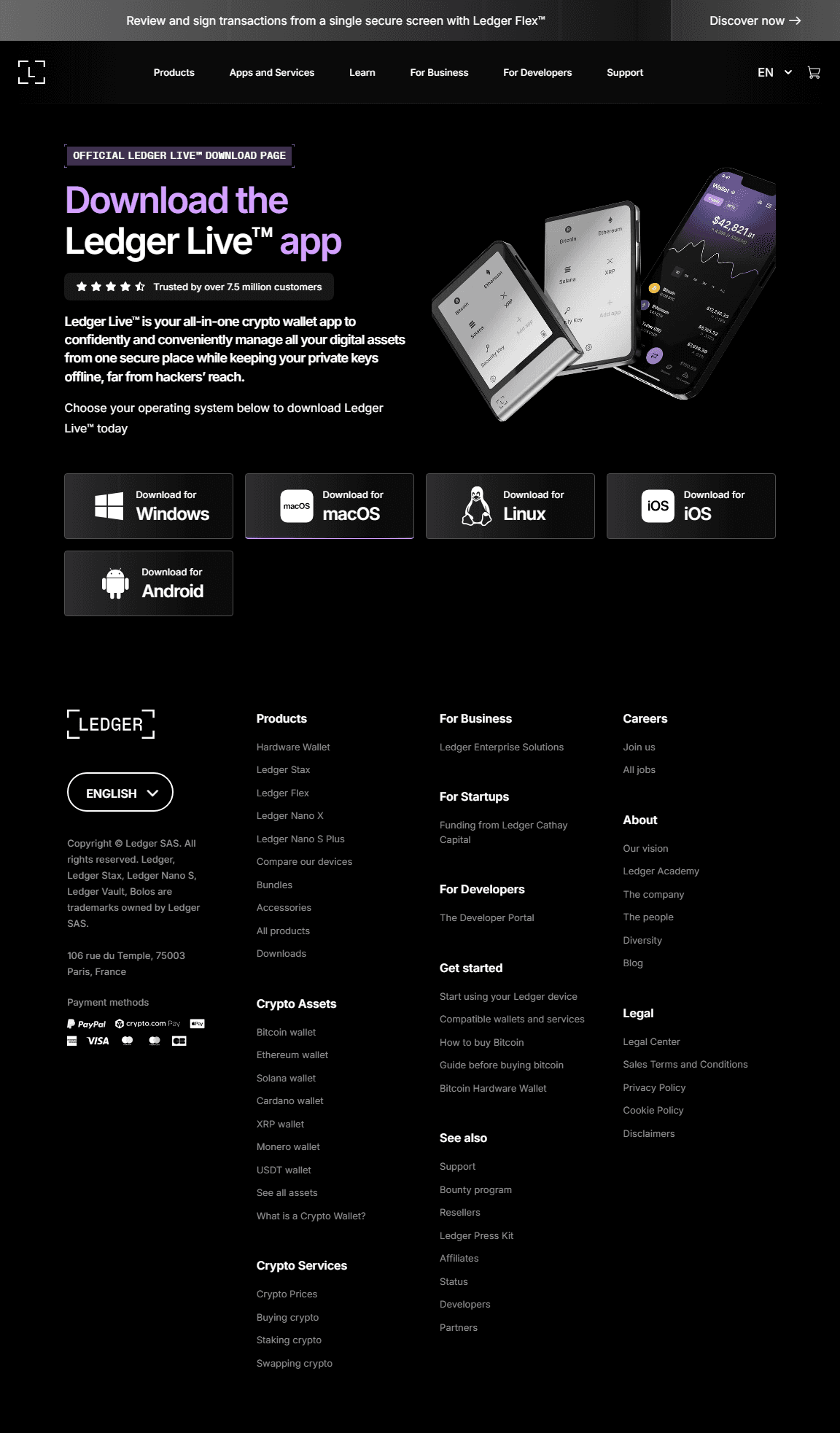
Ledger Live is the companion application that allows users to manage multiple cryptocurrency accounts, monitor balances, and execute transactions. Before initializing your hardware wallet, download and install Ledger Live on your computer or mobile device.
Ledger.com/start guides users through installing the official Ledger Live application, verifying its authenticity, and opening it for the first time. Ledger Live acts as the central hub for securely managing cryptocurrency assets while ensuring that private keys remain stored safely on the hardware wallet.
Step 4: Initializing Your Ledger Device
After installing Ledger Live, you can begin initializing your Ledger hardware wallet. This involves:
Setting a PIN Code
The PIN code protects your device from unauthorized access. When selecting a PIN, avoid simple or easily guessable combinations. Ledger devices typically allow 4 to 8 digits. Choose a code that balances security with memorability.
Creating a Recovery Phrase
During initialization, the device generates a 24-word recovery phrase. This phrase serves as your backup in case the device is lost, stolen, or damaged. Ledger.com/start emphasizes writing the phrase clearly on the provided recovery sheet and storing it securely offline. Never store the recovery phrase digitally or share it with anyone, as possession of the phrase grants full access to your funds.
Step 5: Verifying the Recovery Phrase
Once the recovery phrase is recorded, the device will prompt you to verify it. This step ensures that you have written the phrase correctly. Verification is crucial because an incorrect or incomplete phrase could make your wallet inaccessible permanently. Ledger.com/start provides detailed instructions to complete this process safely.
Step 6: Adding Cryptocurrency Accounts in Ledger Live
After initializing your Ledger device, you can begin adding cryptocurrency accounts in Ledger Live. Ledger.com/start explains how to select supported cryptocurrencies and create accounts for each asset. Each account is linked to the hardware wallet, which signs all transactions securely.
Ledger Live allows users to manage multiple accounts for various cryptocurrencies within one interface. The private keys never leave the hardware wallet, ensuring maximum security.
Step 7: Sending and Receiving Cryptocurrency
With accounts set up, Ledger.com/start provides guidance on sending and receiving cryptocurrencies securely. Transactions require physical confirmation on the Ledger device, preventing unauthorized transfers. Users can verify transaction details such as recipient address and amount on the device screen before approving.
This step reinforces the principle of self-custody, as all critical actions require explicit user approval.
Step 8: Keeping Firmware Up to Date
Ledger devices occasionally require firmware updates to enhance security and maintain compatibility with Ledger Live. Ledger.com/start explains how to check for updates and safely install them using Ledger Live. Regular updates ensure that the hardware wallet remains secure against emerging threats and supports the latest cryptocurrencies.
Security Best Practices for Ledger Devices
Ledger.com/start emphasizes several key security practices:
Always download Ledger Live from official sources
Never share your recovery phrase or PIN
Keep the hardware wallet disconnected when not in use
Store your recovery phrase offline in a safe location
Regularly update the device firmware
Adhering to these guidelines significantly reduces the risk of unauthorized access and protects your cryptocurrency assets.
Ledger.com/start for Beginners and Advanced Users
Ledger.com/start is suitable for both beginners and experienced cryptocurrency users. Beginners benefit from the structured, step-by-step guidance that reduces errors and enhances security. Advanced users can use the resource to refresh knowledge on best practices, firmware updates, and advanced device features.
By following the instructions provided, users ensure that their hardware wallet is fully operational, secure, and ready for long-term cryptocurrency management.
The Role of Ledger.com/start in Cryptocurrency Security
Ledger.com/start is more than a simple setup guide. It is a security roadmap that emphasizes safe initialization, user verification, and responsible asset management. From unboxing to transaction confirmation, every step is designed to protect private keys and secure digital assets.
By starting with Ledger.com/start, users adopt a proactive approach to security, gaining confidence in managing their cryptocurrency portfolio while minimizing risks.
Conclusion
Ledger.com/start provides a comprehensive, step-by-step approach to safely starting with a Ledger hardware wallet. By following its instructions, users can unbox and inspect their device, initialize it securely, record and verify the recovery phrase, integrate it with Ledger Live, and begin managing cryptocurrency accounts with confidence.
The guide ensures that all critical steps prioritize security and user control. Ledger.com/start equips both beginners and experienced users with the knowledge and procedures needed to protect their digital assets. By following the recommended practices, users can safely send, receive, and manage cryptocurrency while maintaining full ownership and control.
Starting your cryptocurrency journey with Ledger.com/start is the foundation for long-term security, privacy, and self-custody. It provides a reliable, structured path to confidently manage digital assets and navigate the decentralized financial landscape.