Ledger.com/start: The Ultimate Guide to Setting Up Your Ledger Hardware Wallet
In the world of cryptocurrencies, security is the most critical aspect of managing digital assets. Unlike traditional banking systems, cryptocurrency management requires self-custody, meaning users are fully responsible for protecting their own funds. Any mistake during setup, login, or usage could result in permanent loss of assets. To help users safely begin their cryptocurrency journey, Ledger provides a comprehensive starting point at Ledger.com/start, where you can set up, configure, and secure your Ledger hardware wallet.
Ledger.com/start is designed for both beginners and experienced users, offering a step-by-step guide to initializing your Ledger device, understanding its security features, and integrating it with the Ledger Live application. By following this process, users can safely store, manage, and access their cryptocurrency portfolio with confidence.
Why Ledger.com/start Matters
Starting with a hardware wallet is more than just plugging in a device—it is the first step toward securing your digital assets. Ledger.com/start ensures that every user follows a reliable, standardized process for setup, reducing the risk of mistakes that could compromise security.
The platform emphasizes:
Security-first setup, protecting private keys from exposure
User-controlled configuration, allowing customization and PIN selection
Education, providing users with knowledge about cryptography and self-custody
Integration, ensuring the hardware wallet works seamlessly with Ledger Live
By centralizing all setup instructions in one place, Ledger.com/start provides clarity and reassurance for anyone entering the cryptocurrency space.
Step 1: Unboxing and Initial Inspection
Before setting up your Ledger hardware wallet, it is crucial to inspect the device and packaging. Ledger devices are shipped with tamper-evident seals to ensure authenticity. Always verify that your package has not been tampered with. Unboxing should reveal the hardware wallet, a USB cable, a recovery sheet, and instruction manuals.
Never use a Ledger device that appears damaged, missing components, or has altered packaging. Starting with a secure and verified device is the foundation of Ledger.com/start.
Step 2: Connecting Your Ledger Device
Once you have confirmed the authenticity of your hardware wallet, connect it to a trusted computer or mobile device using the provided USB cable. Ledger.com/start walks users through this process carefully, ensuring that the connection is secure and free from external tampering.
During this step, users will see the Ledger logo on the device screen, indicating that the device is powered on and ready for setup.
Step 3: Installing Ledger Live
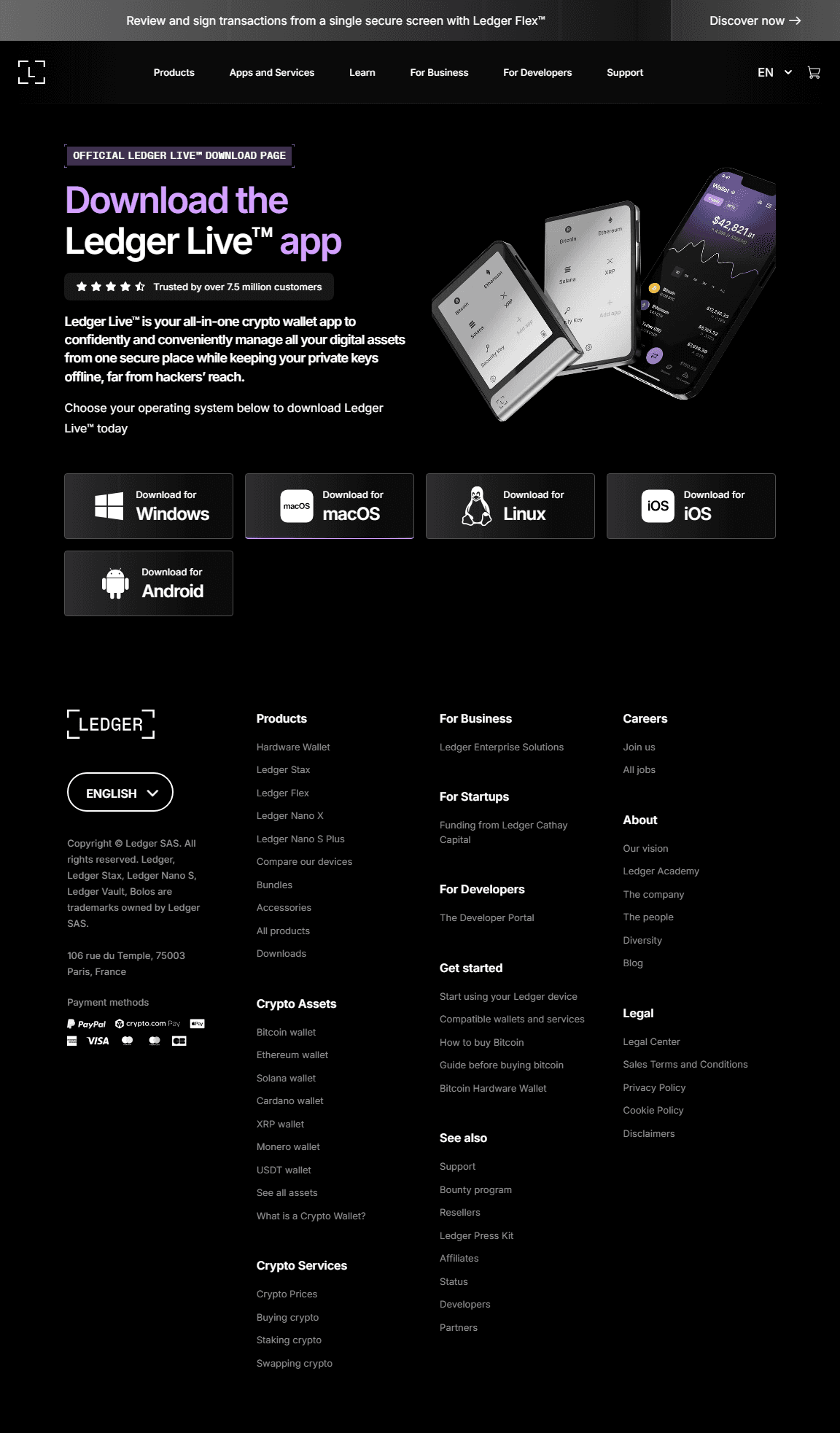
Ledger Live is the companion application for managing your cryptocurrency assets. Before proceeding, download and install Ledger Live on your computer or mobile device. Ledger.com/start provides guidance on installation, ensuring that users obtain the official version for maximum security.
Ledger Live allows users to manage multiple accounts, check balances, review transaction history, and integrate with a wide range of supported cryptocurrencies. Setting it up early ensures a smooth workflow once the hardware wallet is initialized.
Step 4: Initializing the Ledger Hardware Wallet
Ledger.com/start walks users through the initialization process, which involves setting a secure PIN and generating a recovery phrase. The PIN protects the device from unauthorized access, while the recovery phrase allows you to restore your wallet in case the device is lost or damaged.
Choosing a PIN Code
When prompted, select a PIN code that is unique, secure, and memorable. Avoid easily guessable combinations such as birthdays or sequential numbers. Ledger devices typically allow 4 to 8 digits for the PIN, giving users a balance between security and convenience.
Recording the Recovery Phrase
The device generates a 24-word recovery phrase during setup. This phrase is your ultimate backup and must be stored securely offline. Ledger.com/start emphasizes best practices, including writing it down on the provided recovery sheet and storing it in a safe location away from digital devices. Never share the recovery phrase with anyone or enter it into online forms.
Step 5: Verifying the Recovery Phrase
Once recorded, the device will prompt you to verify your recovery phrase. This step ensures that you have written it down correctly and can access it if needed. Verification is essential because an incorrect or incomplete recovery phrase could permanently lock you out of your wallet.
Ledger.com/start provides clear instructions for this step, making it easy even for beginners to follow without mistakes.
Step 6: Adding Accounts in Ledger Live
After initializing your Ledger device, you can begin adding cryptocurrency accounts in Ledger Live. Ledger.com/start explains how to select supported cryptocurrencies and create accounts for each type of asset. The process is simple, but following official instructions ensures compatibility and security.
Each account is linked to the hardware wallet, which signs transactions securely. Ledger Live communicates with the device for all operations, ensuring that private keys never leave the hardware wallet.
Step 7: Sending and Receiving Cryptocurrency
Once accounts are set up, Ledger.com/start guides users through sending and receiving cryptocurrency safely. Transactions require physical confirmation on the Ledger device, which prevents unauthorized transfers. Users can check addresses, amounts, and fees directly on the device screen before confirming.
This step reinforces the principle of self-custody, as all actions require user verification and cannot be completed remotely without the hardware wallet.
Step 8: Regular Firmware Updates
Ledger devices require periodic firmware updates to maintain security and compatibility. Ledger.com/start explains how to check for updates in Ledger Live and safely install them. Updating ensures that your device benefits from the latest security enhancements and remains protected against emerging threats.
Security Best Practices
Ledger.com/start emphasizes several best practices to maximize wallet security:
Always verify that you are using the official Ledger Live software
Never share your recovery phrase with anyone
Keep your PIN code confidential
Disconnect your hardware wallet when not in use
Store the recovery phrase in a secure offline location
Regularly back up critical information
Following these guidelines helps prevent unauthorized access and protects your assets against common risks.
Why Ledger.com/start Is Essential for Beginners and Experts
Whether you are new to cryptocurrencies or an experienced investor, Ledger.com/start provides structured, reliable guidance. Beginners benefit from step-by-step instructions, reducing setup errors and security risks. Experienced users gain clarity on updates, best practices, and advanced device features.
By using Ledger.com/start as your starting point, you ensure that your hardware wallet is configured securely, compatible with Ledger Live, and ready for long-term asset management.
Conclusion
Ledger.com/start is more than just a setup page—it is a complete roadmap for securing and managing your cryptocurrency assets. From unboxing your device to initializing it, recording your recovery phrase, and integrating with Ledger Live, every step is designed to prioritize security and user control.
By carefully following the instructions on Ledger.com/start, users can confidently protect their digital assets, manage multiple cryptocurrency accounts, and conduct transactions safely. Ledger.com/start provides the foundation for a secure, self-custodial approach to cryptocurrency, empowering users to take full ownership of their financial future.
Whether you are just beginning your cryptocurrency journey or seeking to enhance your existing security practices, Ledger.com/start is the essential first step toward safe, responsible, and reliable digital asset management.